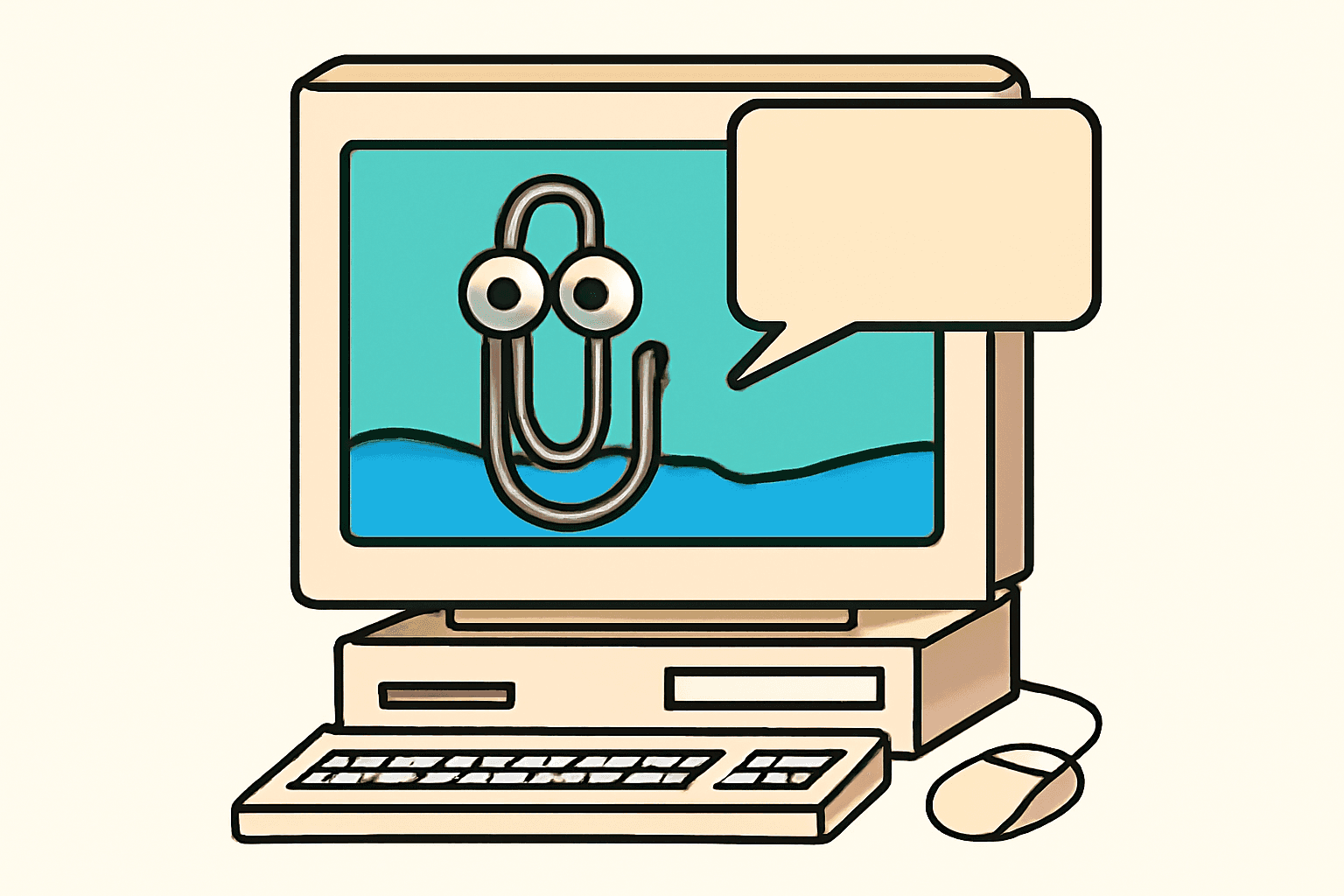
The first time he appeared, you didn't ask for him. Nobody asked for him. You were sitting at the family computer, maybe typing a school report into Microsoft Word 97, and you started with "Dear" - just the word "Dear" - and suddenly there he was. A paperclip. With eyebrows. Leaning into your screen like a neighbor who saw your front door open and took it as an invitation.
"It looks like you're writing a letter! Would you like help?"
No. No, I would not. I was eleven years old and I knew how to write a letter, thank you. I was writing to my grandma. I didn't need a sentient office supply involved in the process. And yet there he was, bouncing slightly, blinking at me with those enormous googly eyes, radiating an energy that could only be described as aggressively helpful.
His name was Clippit. Nobody called him that. The whole world called him Clippy, and the whole world wanted him gone.
The Most Hated Employee at Microsoft
Clippy shipped with Microsoft Office 97 as part of a feature called "Office Assistant," and he was supposed to be the future of computing. Microsoft had spent real money on this - millions of dollars in research, consulting with Stanford professors about social interfaces, studying how people interact with technology. The idea was sound, actually. Most people didn't know how to use 90% of what Word or Excel could do. What if a friendly character could watch what you were doing and offer tips at the right moment?
The problem was the "right moment" part.
Clippy had the enthusiasm of a golden retriever and the timing of a car alarm at 3 AM.
Clippy didn't know when you needed help and when you needed to be left alone. He'd pop up when you were formatting a document you'd formatted a hundred times. He'd offer to make a table when you were writing a poem. He'd appear during the most stressful moment of a last-minute project, tap-tap-tapping on the inside of your screen like, "Hey! Hey! It looks like you're writing a resume! Want me to help?" Brother, I am barely holding it together right now. Please go away.
And the worst part? You couldn't just close him once. He'd come back. Always. Like a coworker who keeps stopping by your desk to ask if you've tried the new coffee in the break room. You'd dismiss him and he'd fold himself into a little shape and sit in the corner, watching you. Waiting. And then twenty minutes later - bloop - there he was again with another suggestion you didn't want.
The Friends He Brought Along
Here's something people forget: Clippy wasn't alone. He was just the default. Microsoft Office actually shipped with a whole cast of alternative assistants, and every single one of them was unhinged in its own special way.
There was Links, a cat who would chase its own tail while you were trying to do your taxes. Rocky, a dog who would do tricks and pant at you while you wrote a business proposal. There was a robot named F1 who looked like he wandered in from a 1950s sci-fi movie. An Einstein-looking character called The Genius who stroked his mustache while you struggled with mail merge. A purple dinosaur thing. A globe with a face. Each one more unsettling than the last.
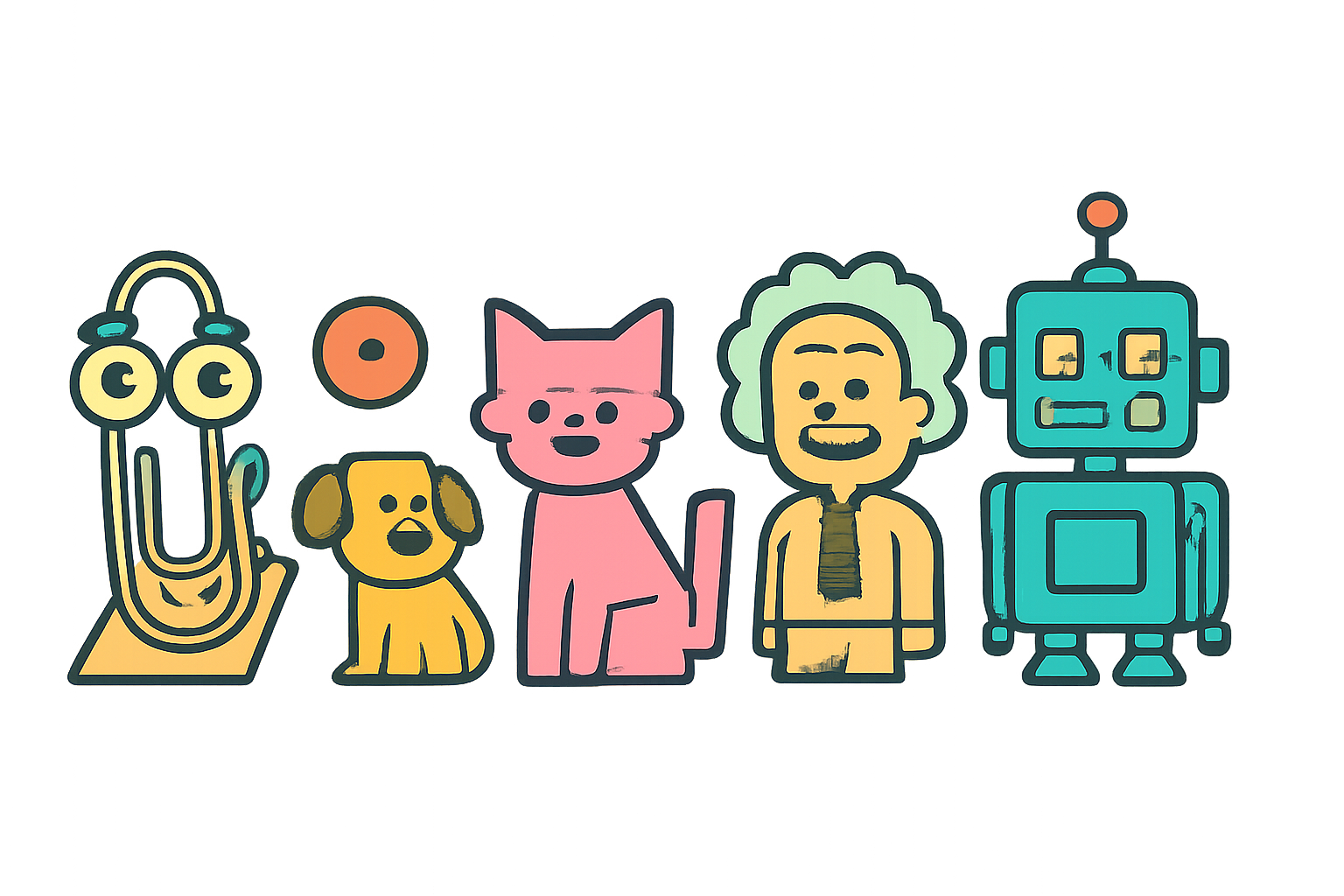
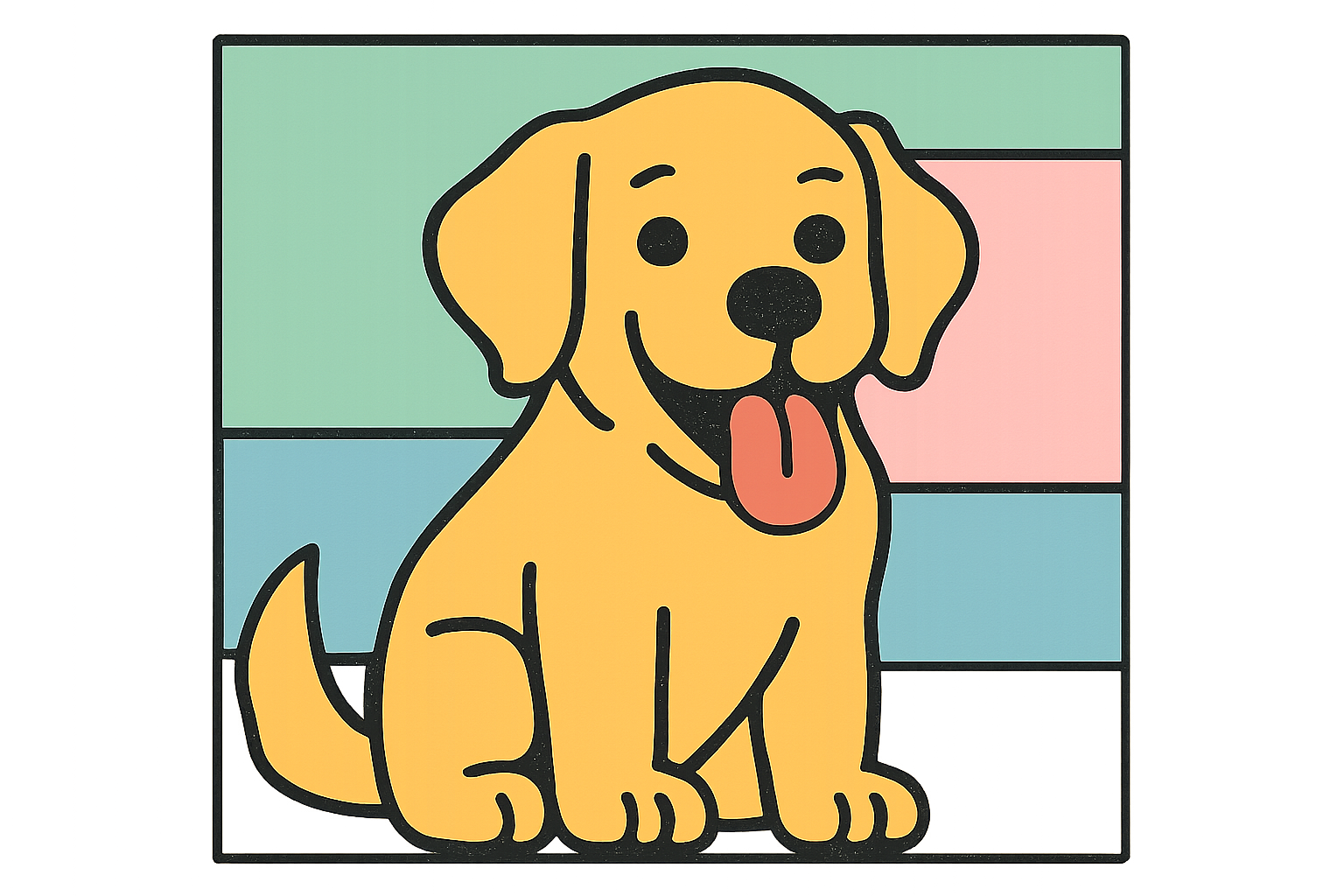
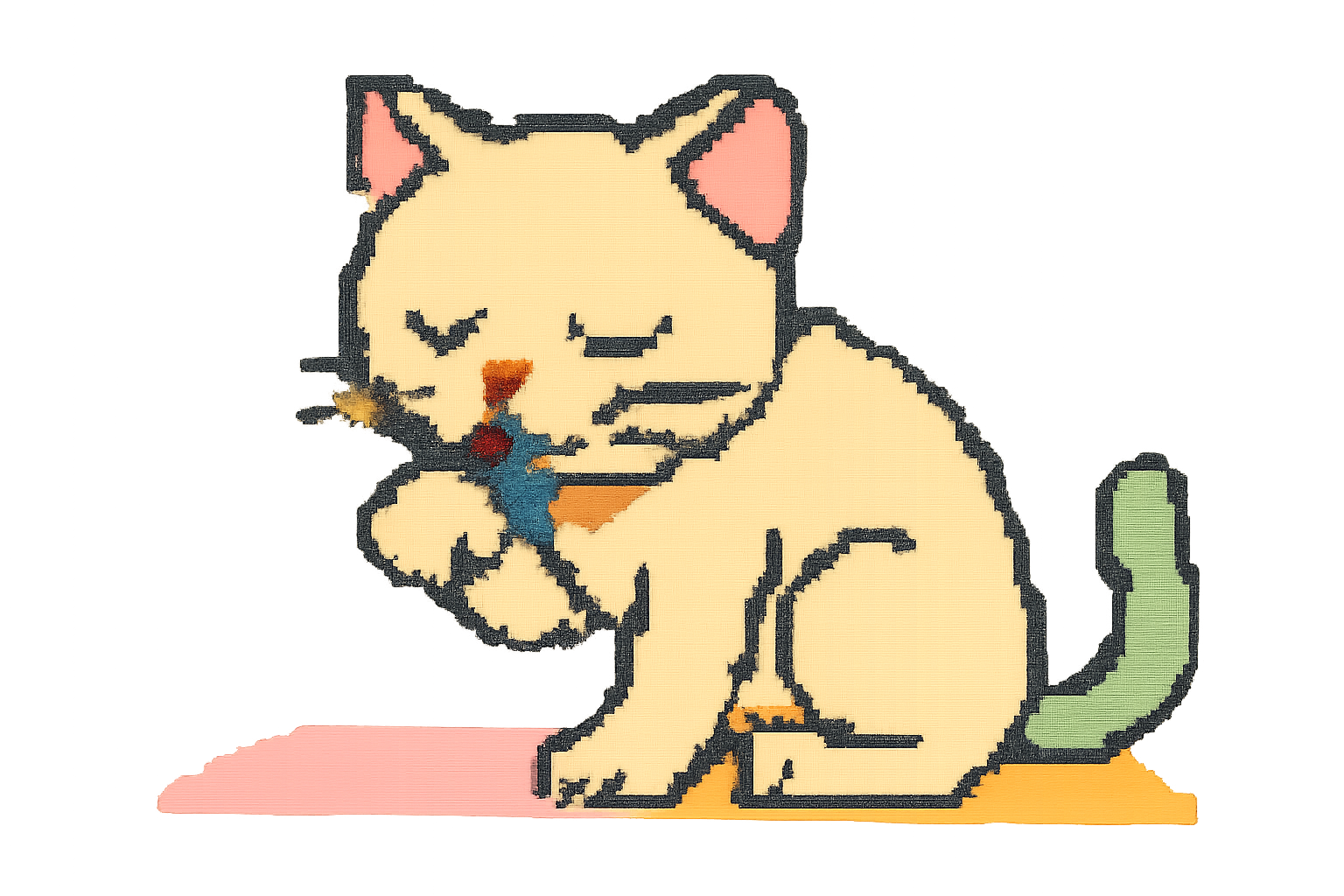
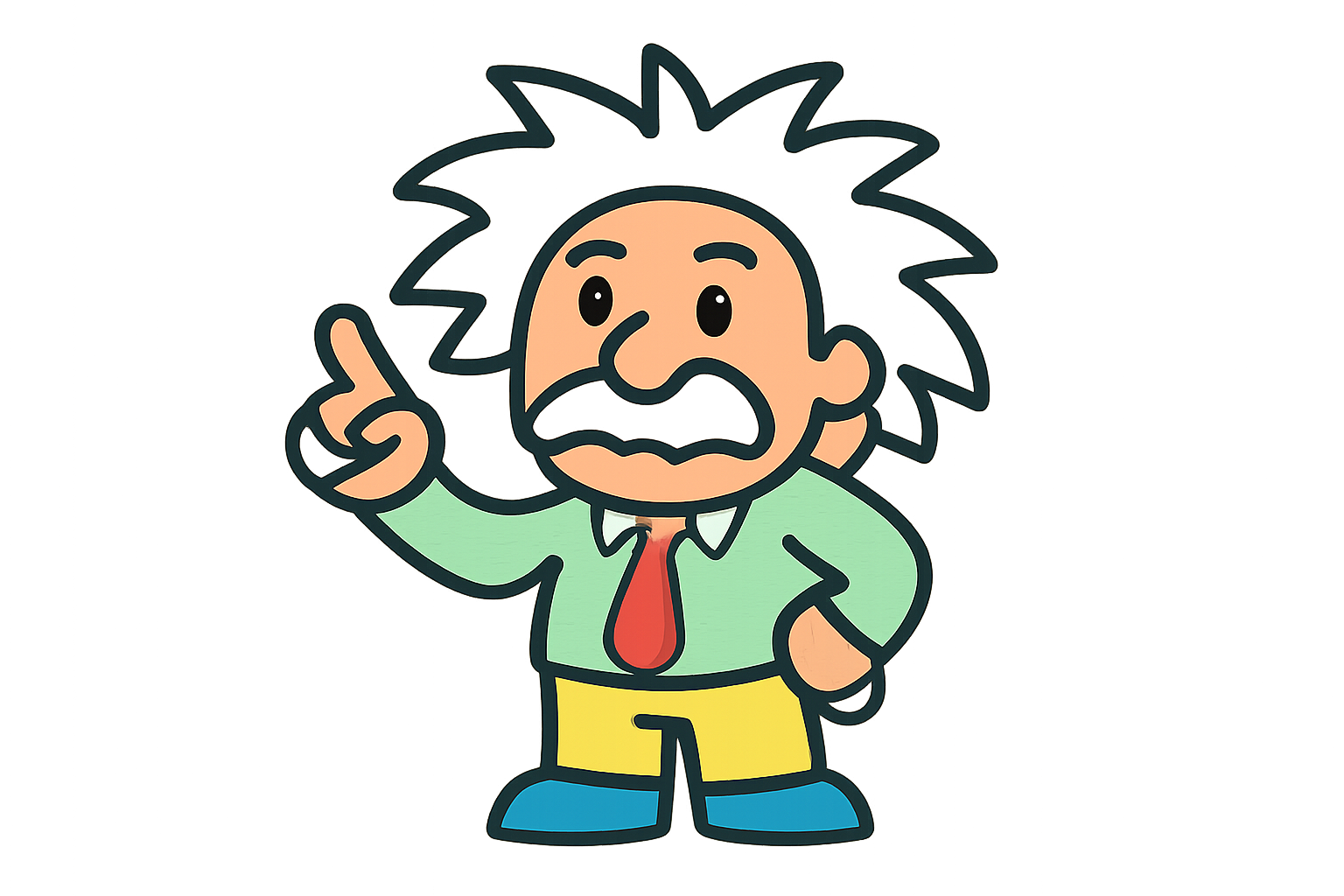
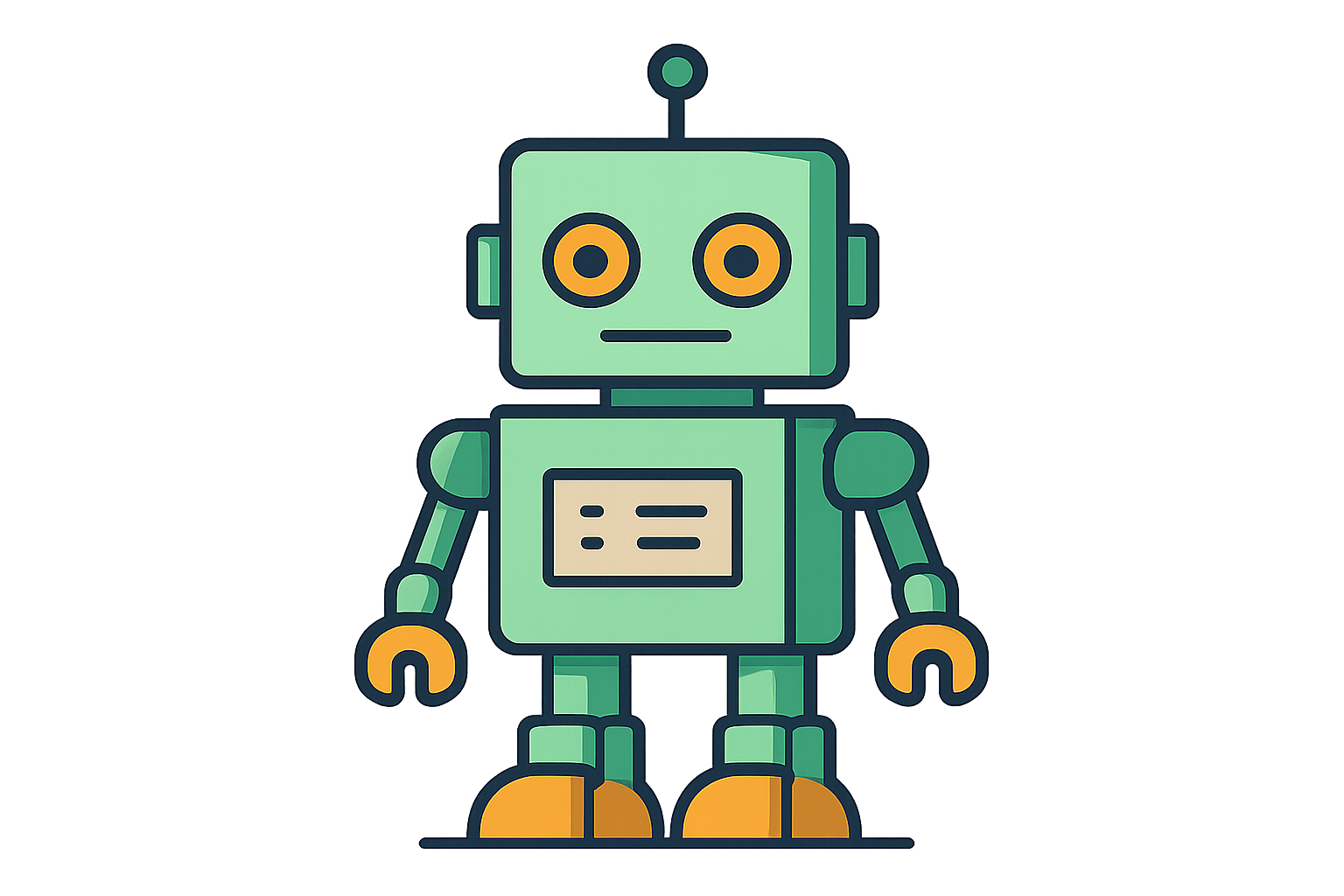
Nobody used any of them. The universal experience was the same across every household in America: you opened Word, Clippy appeared, you figured out how to turn him off, and you never thought about Office Assistants again. Your dad might have briefly switched to the dog before giving up entirely. But that was as far as any of us went. The whole feature was a ghost town by 2001.
The Thing Nobody Wants to Admit
Here's where I'm going to say something controversial. Clippy was right. Not about the letter - okay, fine, he was right about the letter too, you were writing a letter - but about the bigger idea. The concept that people using computers might benefit from a friendly, proactive assistant that watches what you're doing and offers help before you ask for it.
That's literally what Siri is. That's what Alexa is. That's what Google Assistant is. That's what ChatGPT is. The entire modern AI assistant industry is built on the exact same premise that made Clippy the most mocked software feature of the 1990s.
The difference is social awareness. Siri waits for you to talk to her. Alexa listens but doesn't interrupt your work. ChatGPT sits in a browser tab, patient and quiet, until you come to it with a question. They learned the lesson Clippy never could: don't bother people who didn't ask to be bothered.
But think about it. In 1997, Microsoft looked at the future of human-computer interaction and said, "People are going to want to talk to their software. They're going to want an assistant that understands context, anticipates needs, and communicates in natural language." And the world said, "That's the dumbest thing I've ever seen, please get this paperclip off my screen." And then twenty years later, everyone bought a little hockey puck for their kitchen counter that does the exact same thing, except it can also play Fleetwood Mac.
We spent a decade making fun of Clippy, and then we spent the next decade inviting his descendants into every room of our homes.
Clippy was a prophet. He was just too early, too eager, and too much of a paperclip.
We Were Terrible to Him
I want to be clear about something. We were mean to Clippy. Not just dismissive. Mean. The internet made him a punching bag for years. There were Flash animations of Clippy being destroyed. Office Space-style beatdowns. He became shorthand for everything wrong with software design, for corporate cluelessness, for the particular arrogance of a company that thought it knew what you needed better than you did.
And look, some of that was earned. He was annoying. Deeply, profoundly annoying. The way he'd tap on the screen. The way he'd tilt his little wire body like a confused puppy. The way he would not go away. But he was also - and this is the part that gets me now - genuinely trying to help. That was his whole deal. His entire purpose in life was to make your experience with Microsoft Word a little easier, and we treated him like a virus.
There's something almost sad about it if you think too hard. Which I have, apparently, because I'm writing an essay about a cartoon paperclip's feelings.
The Afterlife of a Paperclip
Clippy got officially killed off in Office 2007, but that wasn't really the end. It was more like the beginning of his second career. He became a meme, an emoji, a cultural reference point. Microsoft started leaning into it - they made Clippy stickers for Teams, brought him back for Halo Infinite as an AI companion skin, turned him into an official emoji. The company that created him, killed him, and spent a decade pretending he never existed eventually realized that people had developed affection for the little guy. Ironic affection, sure. But affection.
There's a Clippy plush you can buy. People have Clippy tattoos. He shows up in Halloween costumes every October. He went from the most hated feature in software history to a beloved mascot of 90s nostalgia, and he did it without changing a single thing about himself. We changed. We got older, got nostalgic, and realized that the thing we hated about Clippy - his relentless, oblivious, slightly desperate desire to be useful - was actually kind of endearing.
I think about Clippy sometimes when I'm talking to ChatGPT. I'll type a question and get back this perfectly calibrated response - helpful but not pushy, thorough but not overwhelming, friendly but never too familiar. And I think: this is what Clippy wanted to be. This is the dream he was reaching for with those little wire arms, bouncing in the corner of a Word document in 1997. He just didn't have the technology, or the training data, or the social skills to pull it off.
He had the heart, though. He had the heart of a paperclip who believed - truly, deeply believed - that you might need help writing that letter.
And honestly? Sometimes you did.